Travel Strollers and Car Seats
Folded dimensions, gate-check survival and what actually fits in an overhead bin.
Disclosure: Wrap & Wander earns a commission on qualifying purchases made through links on this page, at no cost to you. It does not change which products we recommend or the order we rank them in — see how we pick and our full disclosure.
Strollers and car seats share a hub because they are the same buyer moment: getting a child through an airport and into a car at the far end. They also share a failure mode — both are handed to an airline, and both come back damaged or late often enough to plan around. The specs that matter are dimensional and published, and this hub is mostly tables.
Strollers: the number is the thickness
A stroller you can put in an overhead bin never gets gate-checked, never gets lost and never arrives with a bent axle. An overhead bin is shallow and wide, so a folded stroller goes in on its side — which means the dimension that decides whether the lid closes is the stroller’s thickness, not its volume.
| Item | Folded / limit | Thinnest axis | Weight |
|---|---|---|---|
| Stokke YOYO³ | 20.5 x 17.3 x 7.1 in | 7.1 in | From 13.6 lb |
| Cybex Libelle 2 | 18.9 x 12.6 x 7.8 in | 7.8 in | 13.7 lb |
| gb Pockit+ All-City | 48 x 32 x 20 cm | ~8 in | ~13.1 lb |
| Joolz Aer+ | 21.26 x 17.72 x 8.86 in | 8.86 in | 13.2 lb |
| UPPAbaby MINU V3 | 21.5 x 18 x 10 in | 10 in | 16.7 lb |
| United carry-on maximum | 22 x 14 x 9 in | 9 in | Not specified |
| American carry-on stroller rule | Must fit an overhead bin | — | Under 20 lb |
Stroller figures from each brand; airline figures from united.com and aa.com, all read 2026-09-27.
American publishes the clearest US rule: a fully collapsible stroller under 20 lb may be carried on if it fits in an overhead bin, and otherwise strollers are gate-checked free when traveling with a child (aa.com, read 2026-09-27). Every compact stroller here clears 20 lb easily, so the bin fit is the whole question. Our overhead bin roundup and size guide are the two pages to read before buying.
Car seats: the number is the weight
The seat installed in your car is almost certainly the wrong one to fly with. Published weights for purpose-built travel seats start at about 7 lb for a Cosco Scenera NEXT; a carrier-plus-base infant system like the Chicco KeyFit 35 is 20 lb. That difference is felt at every gate change.
The FAA does not require a restraint on a commercial flight, and publishes in the same breath that the safest place for a child under two is in an approved child restraint system rather than an adult’s lap, and that buying the child a ticket is the only way to guarantee you can use one (faa.gov, read 2026-09-27). The approved devices are a hard-backed child safety seat or the AmSafe CARES harness, certified for children up to 40 in tall weighing 22 to 44 lb. Nothing else — not a booster, not a carrier. Our car seat on a plane guide works through the decision and our travel car seat roundup compares five options plus CARES.
The question before all of these
Whether you need a stroller at all. A carrier goes everywhere, never gets checked and frees both hands; a stroller carries your bags and gives a toddler somewhere to sleep. For many trips the right answer is the carrier plus no stroller, and the second-best answer is a stroller small enough to keep in the cabin. Our carrier versus stroller comparison is where to start, and the carriers hub is the other side of it.
One detail that catches people out
Where the stroller comes back differs by airline. American publishes that gate-checked strollers are picked up at the gate after the flight. Southwest publishes that items checked at the gate are claimed at the baggage claim area at the final destination (southwest.com, read 2026-09-27). If you have a tight connection with a toddler, that sentence is the difference between a manageable layover and carrying a child through a terminal.
Start here
- Best travel strollers
Best Travel Strollers
Six travel strollers ranked on published folded dimensions and weight — the only two numbers that predict a gate.
Top pick: Cybex Libelle 2
 Best for overhead bins
Best Travel Strollers That Fit in an Overhead Bin
Folded stroller dimensions against airline carry-on limits, ranked by the thickness figure that decides a bin.
Top pick: Stokke YOYO³ (formerly BABYZEN YOYO)
 Best travel car seats
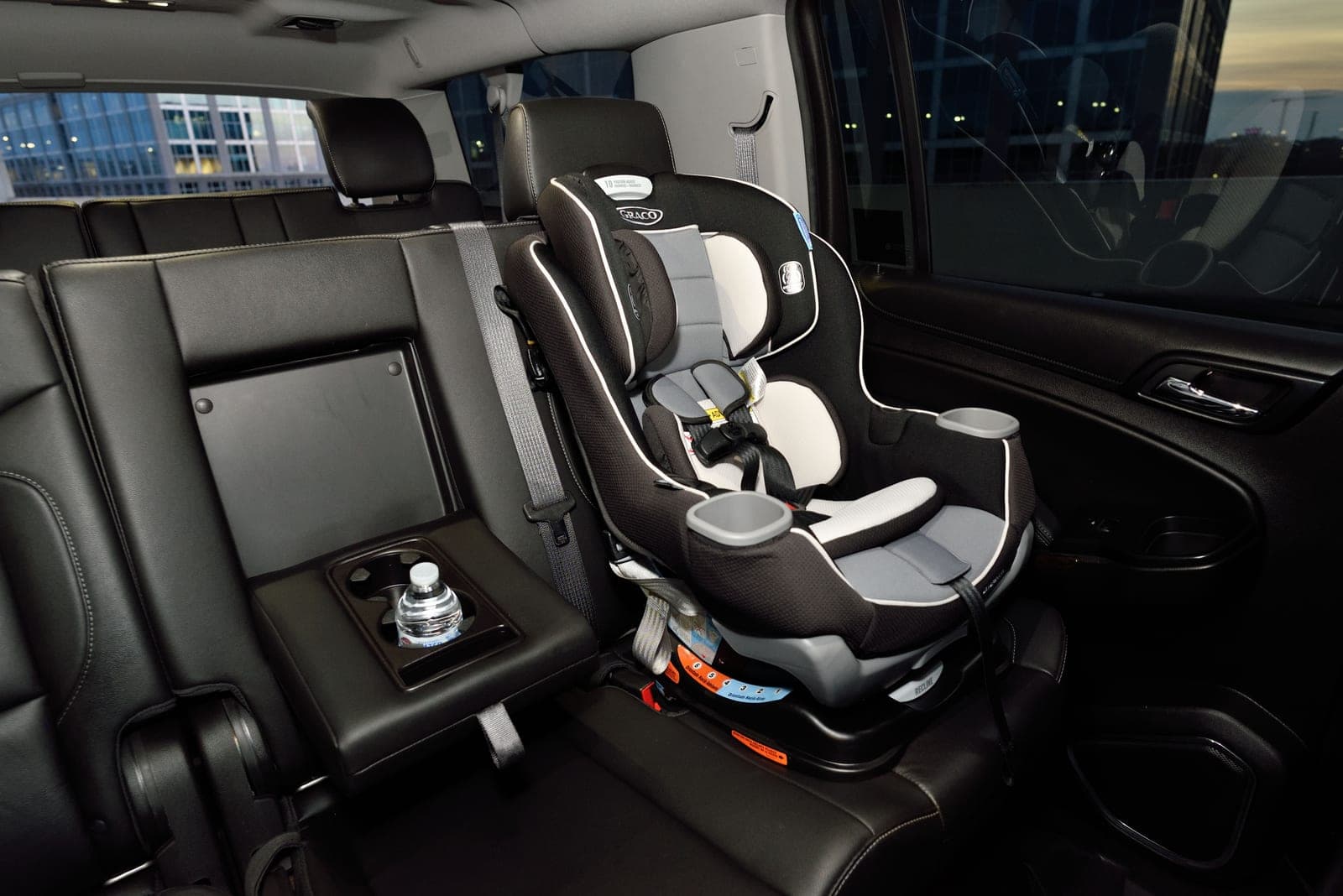
Best Travel Car Seats
Five travel car seats compared on published weight, width, harness range and FAA approval.
Top pick: Cosco Scenera NEXT
- Best for toddlers
Best Travel Strollers for Toddlers
For a heavier child: published weight ceilings, seat size and whether the fold still works one-handed.
Top pick: UPPAbaby MINU V3
 Best car seat travel bags
Best Car Seat Travel Bags
Gate-check bags compared on published dimensions, carry method and AirTag compatibility.
Top pick: J.L. Childress Deluxe Gate Check Travel Bag for Car Seats
Everything in Travel Strollers & Car Seats
- Baby Carrier vs Stroller for Travel
A stroller carries your bags but gets gate-checked; a carrier goes everywhere. How to decide, with the airline rules.
- BABYZEN YOYO Review (Now the Stokke YOYO³)
Now sold as the Stokke YOYO³: 20.5 x 17.3 x 7.1 in folded, from 13.6 lb, and what the word 'from' hides.
- Do You Need a Car Seat on a Plane?
Not required, strongly recommended: what the FAA publishes, what counts as approved, and what each airline states.
- Carry-On Stroller Size Guide
Folded stroller dimensions against published airline carry-on limits, with what each airline states.
- Gate-Checking a Stroller
What gate check means, what the airlines publish, where the stroller comes back, and how to stop it arriving broken.