Cosco Scenera Extend Review
A convertible car seat that costs less than a checked bag and weighs about as much as an infant seat. Two published numbers decide whether it is right for you.
By Ryder M. · Published October 7, 2026 · Last reviewed
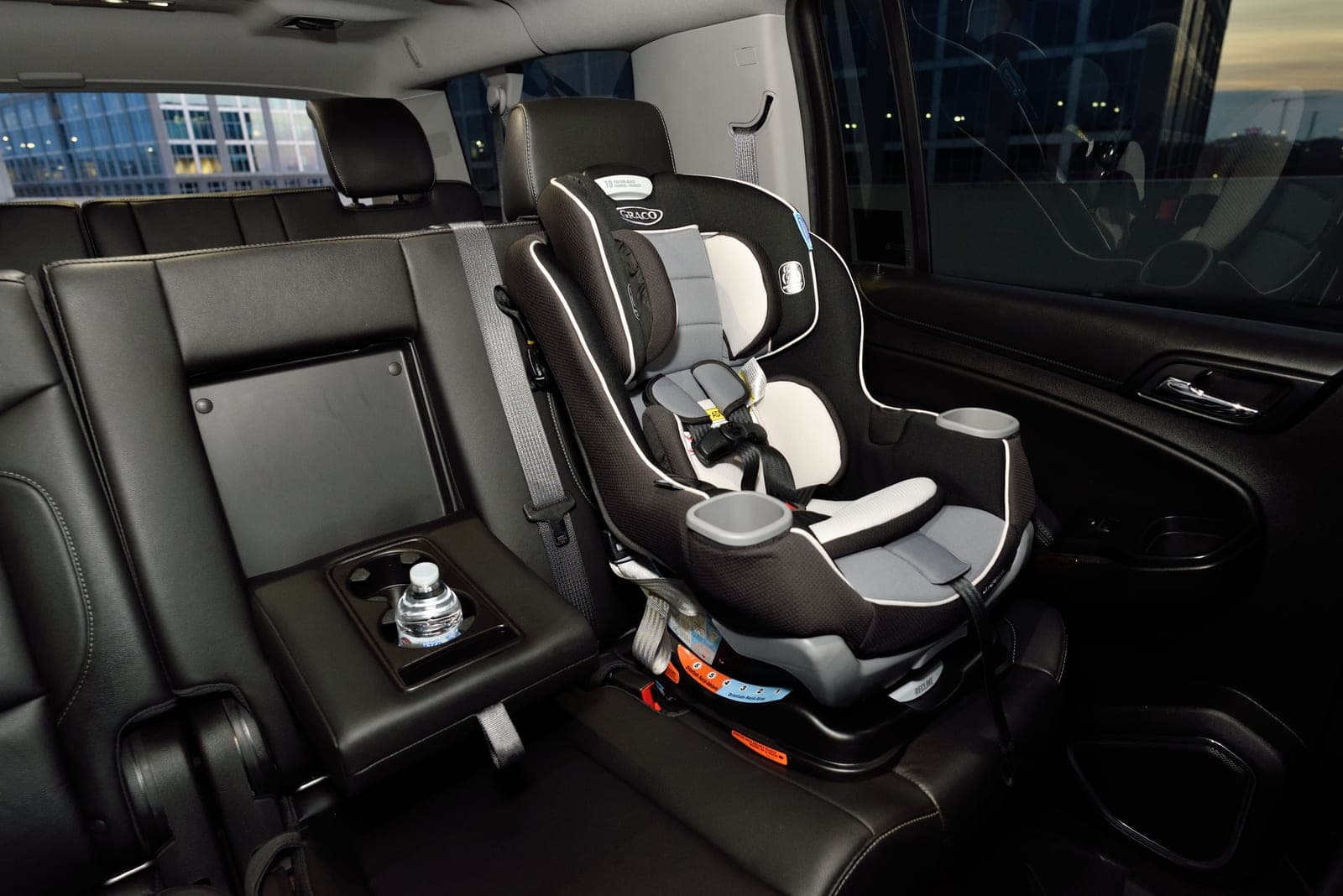
Disclosure: Wrap & Wander earns a commission on qualifying purchases made through links on this page, at no cost to you. It does not change which products we recommend or the order we rank them in — see how we pick and our full disclosure.
Best cheap seat to fly with
Rear-faces 5-40 lb and 19-40 in, forward-faces 30-50 lb and 34.4-44 in, is certified by Cosco for use on an aircraft, and listed at $59.00 on Cosco's own store when we read it — the cheapest legitimate way to put your own seat on a plane.
The short answer
Buy it to fly with and to rear-face. At $59.00 on Cosco's own store when we read it, with a published rear-facing range of 5-40 lb and 19-40 in and Cosco's statement that it is certified for use on an aircraft, nothing else gets your own seat onto a plane for less. Do not buy it as the seat that will see your child through the harnessed years: the top harness height is 13.5 in, so it runs out forward-facing before it runs out rear-facing.
What this seat is for
There is a specific job in family travel that almost no car seat is designed for: a seat you are willing to drag through an airport, strap to a suitcase, hand to a rideshare driver and leave at a grandparent's house, which still has to be a real, federally compliant child restraint. Most convertible seats weigh 20 lb and cost $200, which rules them out of that job on both counts.
The Cosco Scenera Extend is the answer the market has settled on, and it has been for years. Cosco lists it at $59.00 (item CC341) and it was in stock in four colorways when we read the page on 2026-10-07 (coscokids.com). It is the only seat on this site where the price is low enough that buying a second one to keep at a relative's house is a sane decision.
The published numbers
| Spec | Figure | Source |
|---|---|---|
| Rear-facing weight | 5-40 lb | Cosco |
| Rear-facing height | 19-40 in | Cosco |
| Forward-facing weight | 30-50 lb | Cosco |
| Forward-facing height | 34.4-44 in | Cosco |
| Top harness height | 13.5 in | Safe in the Seat |
| Width | 19 in | Safe in the Seat |
| Harness | 5-point, front adjust; 5 heights, 3 buckle locations | Cosco |
| Lower anchor limit | 40 lb rear-facing, 50 lb forward-facing | Safe in the Seat |
| Air travel | Certified for use on an aircraft | Cosco |
| Standards | Meets the federal side impact standard; LATCH equipped | Cosco |
| List price when read | $59.00 | Cosco |
Cosco figures from Cosco Kids — Scenera Extend convertible car seat product page, read 2026-10-07. Safe in the Seat figures from its review and specification table, read 2026-10-07. Cosco's page carries no weight figure for the seat itself; see the weight question in the FAQ below. Price is a list price on that date and will have moved.
The 13.5 inch problem
This is the one thing to understand before you buy, and it is not on the box. The top harness slot sits at 13.5 in from the seat pan. Harness rules work in opposite directions depending on which way the seat faces: rear-facing, the harness must come out at or below the child's shoulders; forward-facing, it must come out at or above them.
With a 13.5 in top slot that produces a counterintuitive result, and Safe in the Seat states it plainly: the seat is usually outgrown forward-facing before it is outgrown rear-facing. A child whose shoulders have climbed past 13.5 in is finished in this seat facing forward, while the rear-facing limits — 40 lb and 40 in — may still have room in them.
Which is fine, as long as you plan for it. Cosco's manual requires you to max out the rear-facing limits before turning the seat forward anyway, and that is also the safest sequence. The honest expectation to set is: this is a rear-facing seat with a short forward-facing tail, and when your child outgrows it you are buying a forward-facing combination seat next, not getting another two years out of this one.
What it is like to live with
Installation. There are no aids — no lock-off, no premium LATCH connectors. Safe in the Seat's technique is to pull the cover up off one side of the shell and tighten from inside the belt path, with lower anchors or with the vehicle belt. Done that way it installs fast; done the obvious way it fights you. That is the clearest signal of where the $59 went.
The harness is a rethread. Changing harness height means pulling the straps out and putting them back through a different slot, not sliding a headrest. On a seat that is going to be reinstalled in different cars constantly, that is a real cost in minutes — though in practice you change height a handful of times across the seat's life, not weekly.
Newborn fit is genuinely good. Safe in the Seat rates the newborn fit as good and notes the harness slots are very low, so the seat works from a 19 in baby. That is unusual at this price and it is why this can be a first seat rather than only a travel seat.
Cleaning. The pad is machine-washable and dryer-safe and the cup holder goes in the dishwasher. On a seat that is going to absorb airport food, that matters more than it sounds.
Flying with it
Cosco states the seat is certified for use on an aircraft, and Safe in the Seat lists it as FAA-approved. Two practical notes on top of that.
First, the approval is physically printed on the seat. The FAA's own guidance is that an approved restraint carries a label stating it is certified for use in motor vehicles and aircraft (faa.gov, read 2026-09-27). Find that label on your seat and know where it is, because a gate agent or flight attendant may ask to see it and you do not want to be hunting for it in an aisle.
Second, nobody requires you to bring it. The FAA does not mandate a child restraint on a commercial flight, while also stating that the safest place for a child under two is in an approved restraint rather than on a lap (faa.gov, read 2026-09-27). The full set of rules, airline by airline, is in do you need a car seat on a plane.
If the seat is going into the hold instead of into a cabin seat, it needs a bag — a gate-check bag is the difference between a seat that comes back usable and one that comes back filthy. Our car seat travel bags page ranks those, and gate-checking a stroller covers the handover itself.
Who should buy something else
You need forward-facing years out of one seat. The 13.5 in harness height rules that out. Buy a taller-shelled convertible for the car and keep this one for flights, or skip it.
Your child is above about the 90th percentile. Safe in the Seat flags this specifically: the shell is short, so a big child will rear-face to two and not much past it.
You want the lightest possible seat and will forward-face only. The WAYB Pico is 8 lb, folds to 11.6 x 14.5 x 18.9 in and is forward-facing only from 22 lb — a different product for a different trip, and far more expensive. Both sit in our best travel car seats ranking.
Your child is over 40 lb and you only need them restrained in the air. Then the seat is the wrong tool entirely and the CARES harness is the right one — it is a few ounces in a bag rather than a seat to carry.
The verdict
At $59.00 with a rear-facing range of 5-40 lb and 19-40 in and Cosco's aircraft certification, the Scenera Extend is not a compromise on the thing that matters — it is a federally compliant restraint that happens to be cheap and light. The compromises are a 13.5 in top harness slot that cuts the forward-facing stage short, no installation aids, a rethread harness, and a three-across claim that one source we read contradicts.
Bought as a rear-facing travel seat, or as the second seat that lives at a grandparent's house, it is the best value on this site. Bought as the only car seat you will own, it will leave you shopping again sooner than you expected.
Next: the full ranking at best travel car seats, and what to pack it with at baby travel gear checklist.
Questions parents actually ask
Is the Cosco Scenera Extend good for air travel?
Yes — it is the cheapest convertible seat we have found that is certified for aircraft use. Cosco states the seat is certified for use on an aircraft, and Safe in the Seat lists it as FAA-approved and calls it a popular travel seat because of how little it weighs. Before you fly, read the FAA label on the side of your own seat: the approval lives on the seat, not on the review.
How much does the Cosco Scenera Extend weigh?
Nobody we read publishes one clean figure. Cosco's own product page describes the seat as lightweight and compact without printing a weight. Safe in the Seat describes it as weighing around 7 pounds in one passage and around 8 pounds in another on the same page. Our registry carries about 9 lb from Cosco's page as read on 2026-09-27. Treat it as roughly 7-9 lb and the practical point holds: it is in the weight class of an infant car seat rather than of a normal convertible.
What are the Cosco Scenera Extend height and weight limits?
Rear-facing 5-40 lb and 19-40 in. Forward-facing 30-50 lb and 34.4-44 in. Lower-anchor connectors are limited to 40 lb rear-facing and 50 lb forward-facing. The top harness height is 13.5 in.
Can the Cosco Scenera Extend fit three across?
Cosco says it fits three across in most vehicles. Safe in the Seat measures it at 19 in wide and says it is not a seat they would recommend for three-across. Those are the two sources we read and they disagree. If three-across is the reason you are buying, buy somewhere you can return it and test-fit it in your own car.
How long will it last my child?
Rear-facing, it will take most children to at least age two, which is the milestone that matters. Forward-facing it will not last long, because the 13.5 in top harness height is reached around the same time as the rear-facing limits. Safe in the Seat's guidance is to plan on buying a forward-facing combination seat afterwards rather than expecting this one to carry through the harnessed years.
Is it hard to install?
It has no installation aids — no lock-off, no push-on LATCH connectors. Safe in the Seat recommends pulling the cover up off one side and tightening from inside the belt path, whether you are using lower anchors or the vehicle belt. With that technique it installs quickly; without it, a budget seat feels like a budget seat.
Do you need a car seat on a plane at all?
Not legally. The FAA does not require a child restraint on a commercial flight, and it also says the safest place for a child under two is in an approved restraint rather than on a lap. Our guide on whether you need a car seat on a plane sets out what the FAA and each big US airline publish.
Sources
- Cosco Kids — Scenera Extend convertible car seat product page — read 2026-10-07
- Safe in the Seat — Cosco Scenera Extend review and specification table — read 2026-10-07
- FAA — which child restraint systems does the FAA approve for use on aircraft? — read 2026-09-27
- FAA — does the FAA require children on commercial flights to be in child restraint systems? — read 2026-09-27
Every figure on this page traces to one of the sources above. Airline policies and manufacturer specs change without notice — check the primary source before you rely on a number.
Read next
- Best Travel Car Seats
Five travel car seats compared on published weight, width, harness range and FAA approval.
- Do You Need a Car Seat on a Plane?
Not required, strongly recommended: what the FAA publishes, what counts as approved, and what each airline states.
- Best Car Seat Travel Bags
Gate-check bags compared on published dimensions, carry method and AirTag compatibility.
- Gate-Checking a Stroller
What gate check means, what the airlines publish, where the stroller comes back, and how to stop it arriving broken.
- Baby Travel Gear Checklist
One carrier, one bag, one sleep surface, one car seat, one stroller — the shortlist with the spec behind each pick.
More in Travel Strollers & Car Seats, or start from the front page.